


Eczema Relief: A Compassionate, Whole-Person Guide to Atopic Dermatitis
Living with eczema can feel exhausting.
The itch, redness, and flare-ups can disrupt your sleep, increase stress, and make daily life challenging.
Many people feel frustrated and helpless after trying multiple treatments without long-term relief.
This guide combines conventional, integrative, and lifestyle strategies to help you understand eczema and manage it gently, while supporting your skin, sleep, and overall wellbeing.
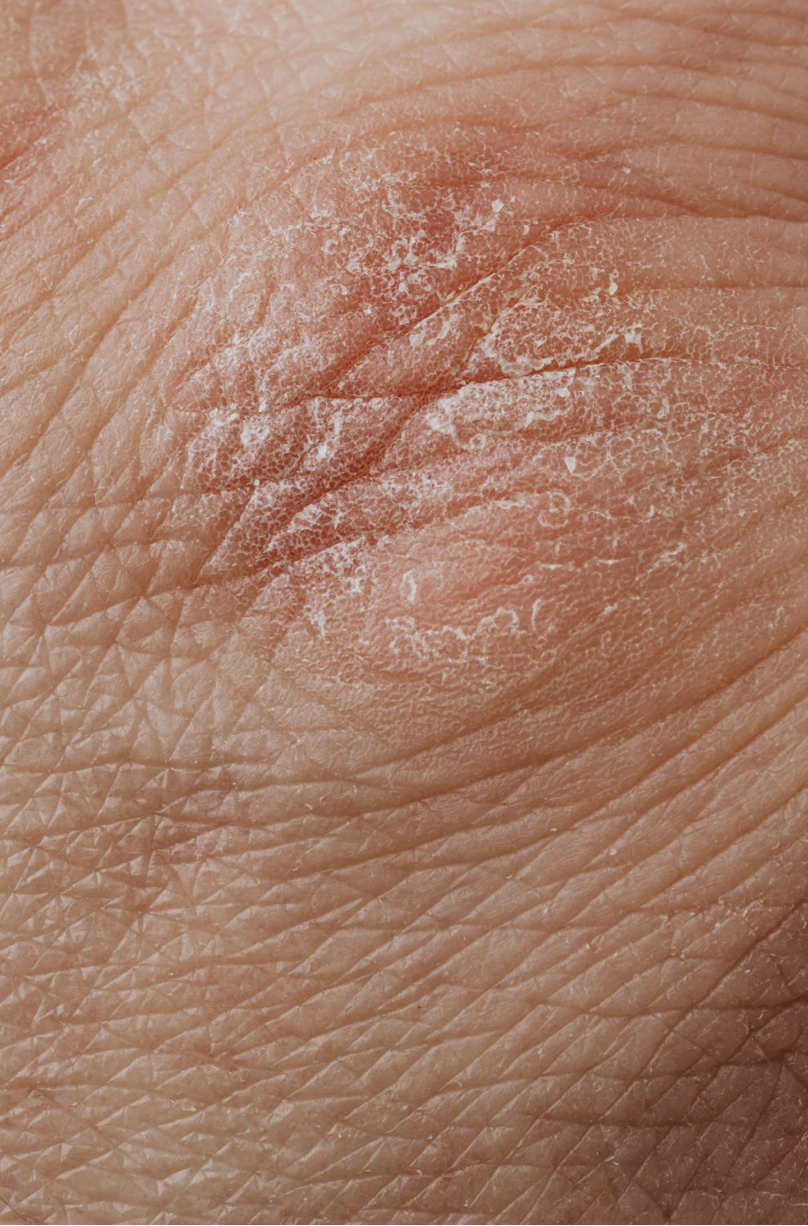
Eczema can be a debilitating and stressful condition to live with.
What is Eczema?
Eczema (atopic dermatitis) is a chronic, inflammatory skin condition characterised by:
Dry, itchy, irritated skin
Red, scaly patches
Sensitive immune responses
Impaired skin barrier function
Triggers include: genetics, environment, allergies, gut health, and stress.
Note: Eczema is not contagious, but broken skin can get infected.
Seek medical attention if you notice weeping, crusting, or fever.
Why Eczema Feels So Difficult
Eczema creates a vicious itch–scratch–stress cycle:
Itch → Scratch → Skin damage → Inflammation → More itch → Stress → Poor sleep → Worse inflammation
This cycle often leads to frustration, sleep disruption, and emotional stress.
Healing requires calming the skin and the nervous system.
Conventional Treatment Options
Skin Care Essentials
Use thick, fragrance-free moisturisers twice daily
Take short, lukewarm baths or showers
Moisturise within 3 minutes of bathing
Wet wraps for severe dryness
Avoid harsh soaps and detergents
Topical Medications
Corticosteroid creams (short-term)
Calcineurin inhibitors (tacrolimus, pimecrolimus)
PDE4 inhibitors (crisaborole)
Systemic Treatments (Moderate–Severe Cases)
Biologics (e.g., dupilumab)
Immunosuppressants (require close monitoring)
Antihistamines for night-time itch
Short courses of oral steroids
Integrative Approaches: Supporting the Whole Person
Eczema is more than skin deep. Integrative care focuses on:
Reducing inflammation
Supporting the immune system
Healing the gut
Managing stress
Optimizing nutrition
Controlling environmental triggers
Book in with Dr Ayiesha Malik here: https://www.drayieshamalik.com/store
Nutrition & Gut Health for Eczema
Anti-Inflammatory Foods
Colourful vegetables and berries
Fatty fish (salmon, sardines)
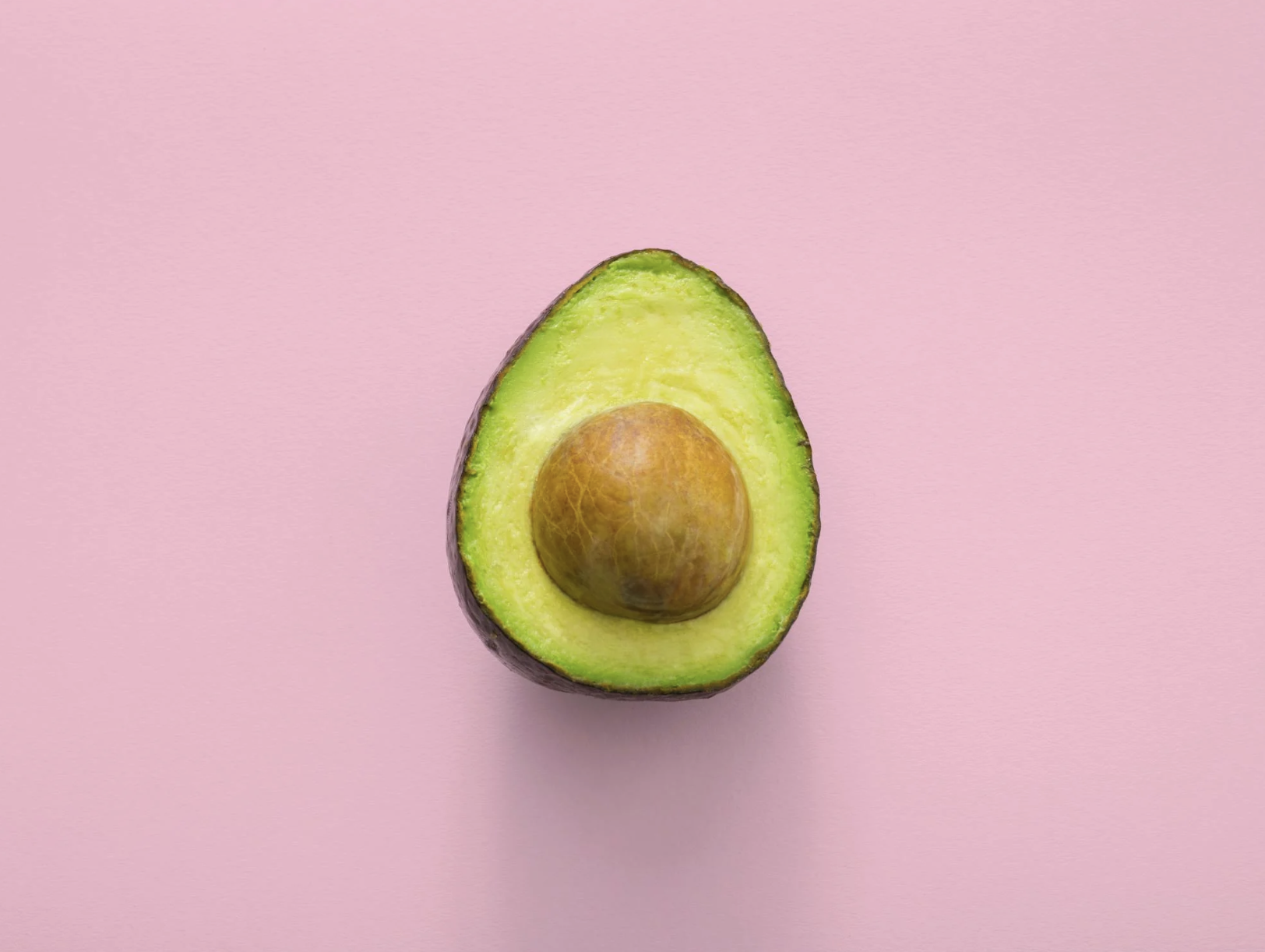
Healthy fats (olive oil, avocado, nuts if tolerated)
Turmeric and ginger
Hydration with filtered water
Foods to Reduce or Avoid
Sugar and refined carbohydrates
Seed oils
Highly processed foods
Potential Trigger Foods
Not everyone has food triggers, but common ones include:
Dairy
Gluten
Eggs
Soy
Consider elimination and reintroduction under guidance to identify triggers.
Gut–Skin Support
Probiotics and prebiotic fibres
Fermented foods
Reducing processed foods
Supplements That May Support Eczema
Evidence-Based Options
Omega-3 fatty acids (cod liver oil)
Vitamin D
Zinc
Curcumin (turmeric extract)
Evening primrose oil
Probiotics
Integrative Options
Black seed oil
Propolis
Coconut oil
Olive oil (if tolerated)
Lanolin
Apple cider vinegar (diluted for bathing or drinking)
Saffron (diluted topical or internal; avoid unregulated creams)
Topical Natural Therapies
Oatmeal baths (soothing)
Aloe vera gel (cooling and healing)
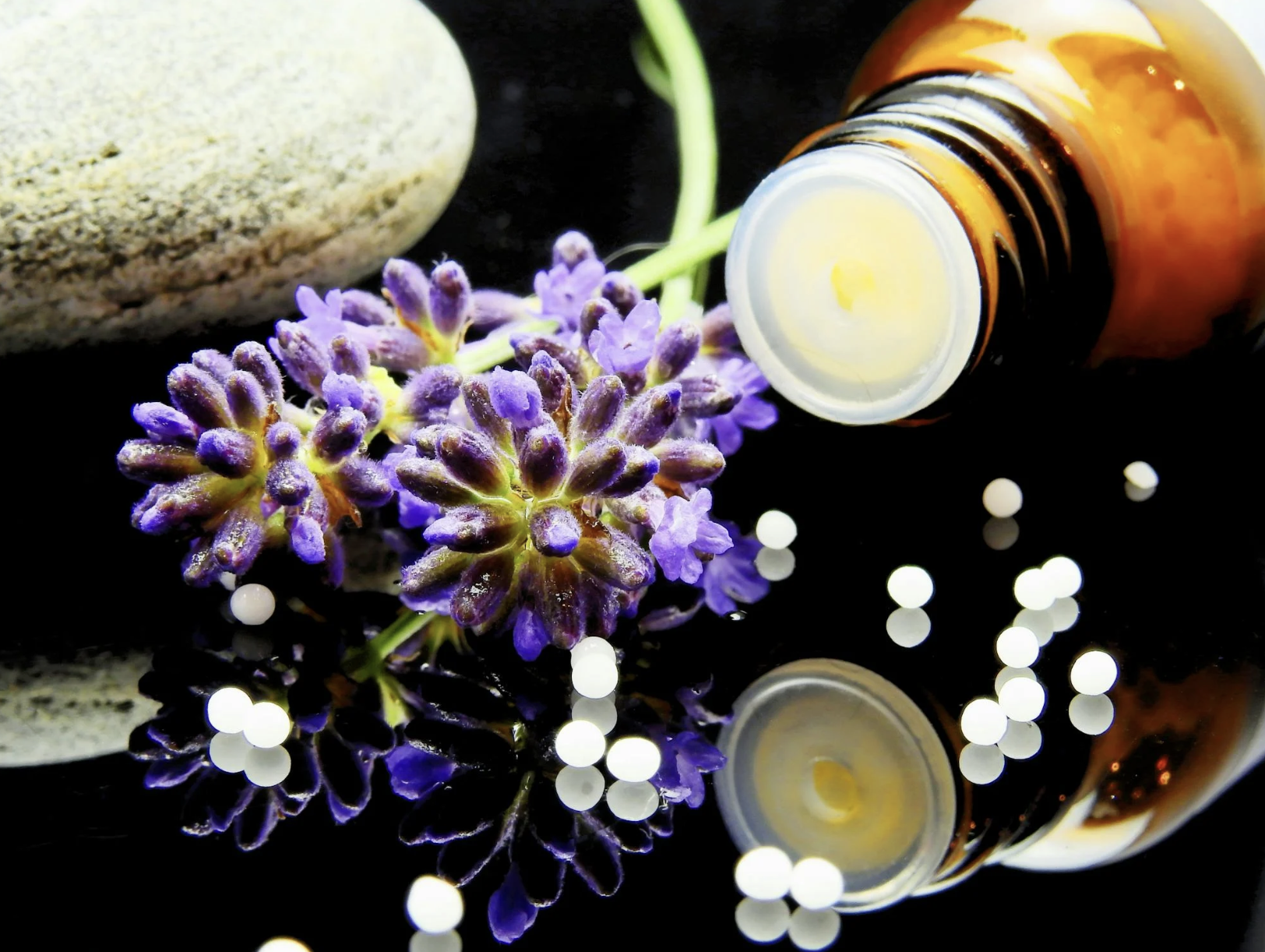
Homeopathic Calendula cream (anti-inflammatory)
Homeopathic Graphites cream
Chamomile compresses
Coconut oil
Manuka or raw honey
Lanolin (if no allergy)
Always patch test before widespread use.
Book in with Dr Ayiesha Malik here: https://www.drayieshamalik.com/store
Managing Allergies & Environmental Triggers
Dust Mite Control
Wash bedding weekly at 60°C
Dust-mite-proof covers
Reduce carpets and stuffed toys
HEPA vacuum
Keep humidity below 50%
Other Irritants
Fragrances and scented detergents
Harsh soaps
Wool or scratchy fabrics
Mind–Body Approaches & Sleep Support
Stress worsens eczema through increased cortisol and inflammation.
Supporting your mind and sleep is crucial:
Meditation and deep breathing exercises
Gentle yoga or stretching
Acceptance & Commitment Therapy (ACT)
Trauma-informed approaches, if needed
Sleep Tips
Maintain a cool, dark bedroom
Avoid screens before bed
Keep a consistent bedtime routine
Consider magnesium (if tolerated) or herbal teas
Complementary Options
Homeopathy (Individualised - one or more will be suggested following a homeopathic consultation)
Graphites
Sulphur
Rhus tox
Thuja
Vaccininum
Cell Salts (Individualised - one or more will be suggested following a homeopathic consultation)
Natrum mur (dryness)
Calc sulph (oozing eruptions)
Silicea (skin repair)
Always consult a qualified homeopath or healthcare provider for personalised recommendations.
Building Your Personal Eczema Plan
Daily
Moisturise twice daily
Short, lukewarm showers
Anti-inflammatory meals
Probiotics (if appropriate)
5–10 minutes of relaxation
Weekly
Change sheets
Dust mite control
Track triggers
Evaluate progress
Start Small
Introduce 1–3 changes at a time
Keep a symptom diary
Adjust gradually
Safety Notes
Avoid multiple changes at once
Never stop prescribed medications without medical supervision
Review your plan every 4–6 weeks
Work with qualified healthcare professionals
Disclaimer
This guide is for educational purposes only.
It does not replace personalised medical advice.
Always consult your healthcare provider before starting supplements, herbal treatments, or dietary changes.
Book in with Dr Ayiesha Malik here: https://www.drayieshamalik.com/store