



❋
Mind–Body Medicine:
How Stress, the Nervous System, and Lived Experience Shape Physical Health

By Dr Ayiesha Malik, Integrative & Holistic Naturopathic Doctor
Mind–body medicine recognises a fundamental clinical reality: the mind, nervous system, and body are not separate systems.
They are deeply interconnected through neurobiology, hormones, immune signalling, and stress physiology.
In integrative and functional medicine, mind–body medicine is used to understand how chronic stress, emotional load, coping patterns, and nervous system dysregulation can influence physical symptoms and disease expression.
It occurs particularly in chronic and recurrent conditions.
In my practice, mind–body medicine is integrated with naturopathic medicine, functional approaches, homeopathy, nutrition, and lifestyle care, never as a replacement for medical investigation, but as an essential part of whole-person healing.
Mind–body medicine does not suggest symptoms are imagined.
What Is Mind–Body Medicine?
Mind–body medicine focuses on the bi-directional communication between the brain, nervous system, endocrine system, immune system, and body.
From a physiological perspective, prolonged activation of the stress response — involving the sympathetic nervous system and the hypothalamic–pituitary–adrenal (HPA) axis — can lead to:
Dysregulated cortisol and insulin signalling
Increased inflammation
Altered pain processing
Impaired gut motility and gut–brain communication
Disrupted sleep, mood, and energy regulation
When this stress response becomes chronic, the body may remain in a state of heightened alert rather than repair. Over time, this can contribute to persistent symptoms, flare-ups, and reduced resilience.
Mind–body medicine aims to restore nervous system regulation, allowing the body to shift into a physiological state where healing and balance are possible.


Why Stress Is More Than “Mental”
Stress is often dismissed as psychological, yet its effects are profoundly physical.
Chronic stress can:
Change how pain is perceived and processed
Affect digestion, bowel function, and the microbiome
Influence blood sugar regulation and metabolism
Alter immune and inflammatory responses
Increase cardiovascular strain
Mind–body recognises that the body records lived experience through physiological pathways.

Identifying and addressing chronic stress patterns
Mind–body techniques to regulate the nervous system
Nutritional support such as magnesium, vitamin B12, and Coenzyme Q10
Herbal support such as ginger
Individualised homeopathy
Lifestyle and sleep support
Here are some conditions where the mind body medicine has an important role.
Migraines:
A Clear Example of the Mind–Body Connection
Migraines are one of the most recognisable examples of a stress-responsive neurological condition.
Many people with migraines can clearly identify stress as a trigger — including emotional stress, cognitive overload, disrupted sleep, or prolonged nervous system activation — yet treatment often focuses primarily on medication to suppress symptoms.
Medication can be essential and effective.
However, it does not always address why the nervous system is so reactive in the first place.
From a functional and physiological perspective, chronic stress can:
Increase nervous system excitability
Alter pain modulation pathways
Influence vascular tone and neuroinflammation
Deplete nutrients involved in mitochondrial and neurological function
Your symptoms are real.

Back Pain, Depression, and the Nervous System
Chronic back pain is strongly associated with psychological stress, anxiety, and depression.
This does not mean pain is “psychological.” It means that pain perception and emotional state influence each other through the nervous system.
Mind–body medicine supports chronic pain care by addressing:
Stress responses that amplify pain
Emotional load and coping patterns
Nervous system hypersensitivity
This approach complements physical therapy, structural assessment, and medical management.
Back Pain, Depression, and the Nervous System Coexist Due To Shared Neurobiological Mechanisms, including:
Altered neurotransmitter signalling.
Chronic inflammation
Central sensitisation of pain pathways
Autonomic nervous system imbalance
Mind–body medicine simply expands how we understand and address your symptoms.
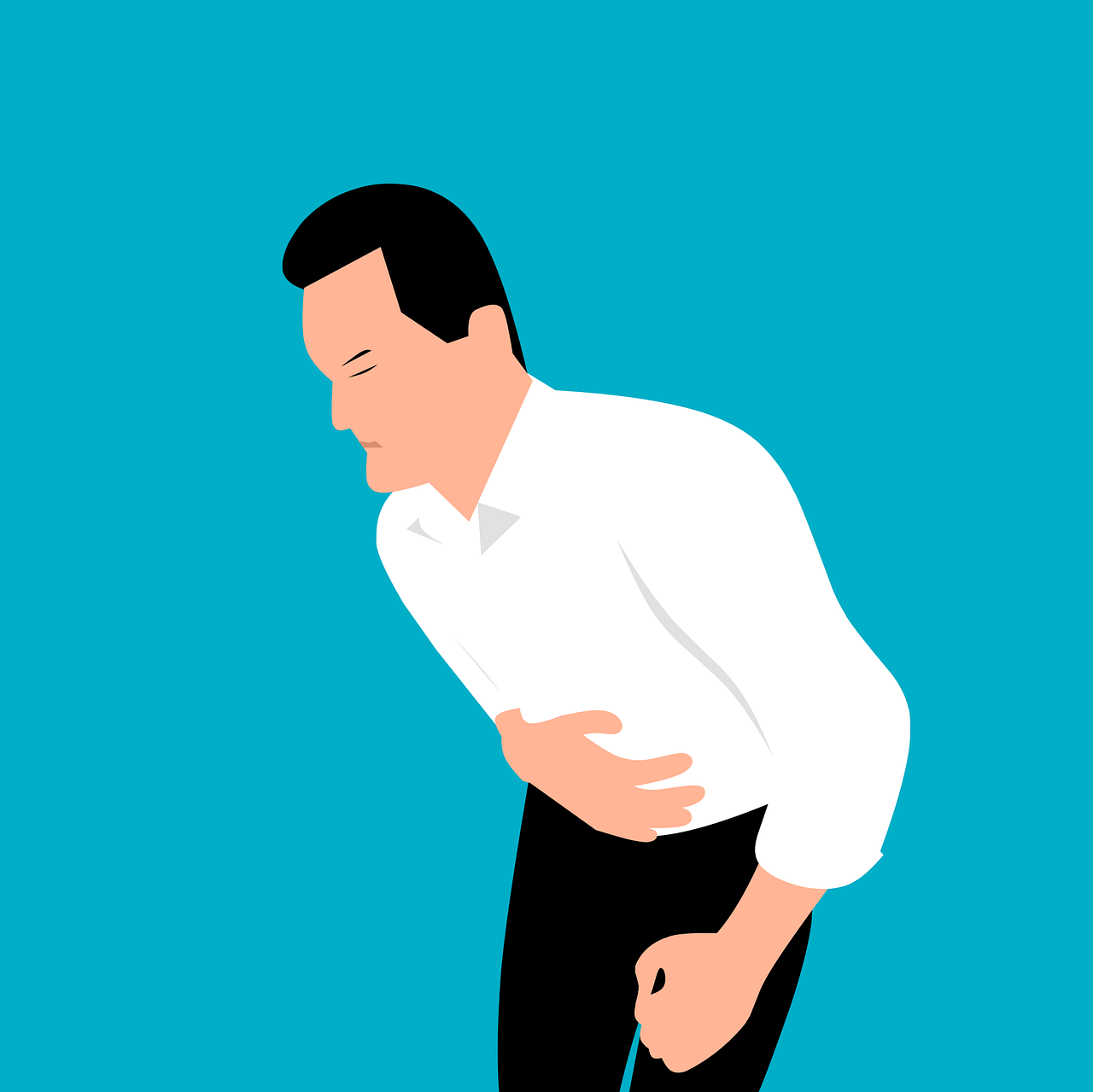
Irritable Bowel Syndrome and the Gut–Brain Axis
The mind–body connection is well established in irritable bowel syndrome (IBS), which is classified as a disorder of gut–brain interaction.
IBS involves:
Altered gut motility
Visceral hypersensitivity
Stress-responsive nervous system signalling
Mind–body medicine is commonly integrated into IBS management to reduce symptom severity, improve regulation, and support long-term gut–brain balance.

Mind–body medicine adds an additional layer of understanding rather than replacing medical care.
Dr Ayiesha Malik